Wondering whether Seminary Hill checks the right boxes for your next move? If you want more space, mature trees, and easy access to parks while staying within Alexandria, this neighborhood deserves a closer look. Below, you’ll get a practical overview of Seminary Hill’s housing, setting, amenities, and commute patterns so you can decide whether it fits your lifestyle and goals. Let’s dive in.
What Seminary Hill Feels Like
Seminary Hill is generally known as a mostly residential part of central and west Alexandria. City planning materials describe an area west of I-395 and between Duke Street and King Street, shaped by Alexandria’s ridge-and-ravine landscape and anchored by the Virginia Theological Seminary. The neighborhood’s planning framework also helps preserve a lower-scale residential character, with much of the area focused on single- and two-family homes and height limits that support that feel.
That context matters if you are comparing Seminary Hill with denser parts of Alexandria. In many ways, the area feels older, greener, and less compact than neighborhoods closer to the historic core. Its identity is closely tied to the long history of the Virginia Theological Seminary and the Civil War-era presence of nearby Fort Ward.
Housing Options in Seminary Hill
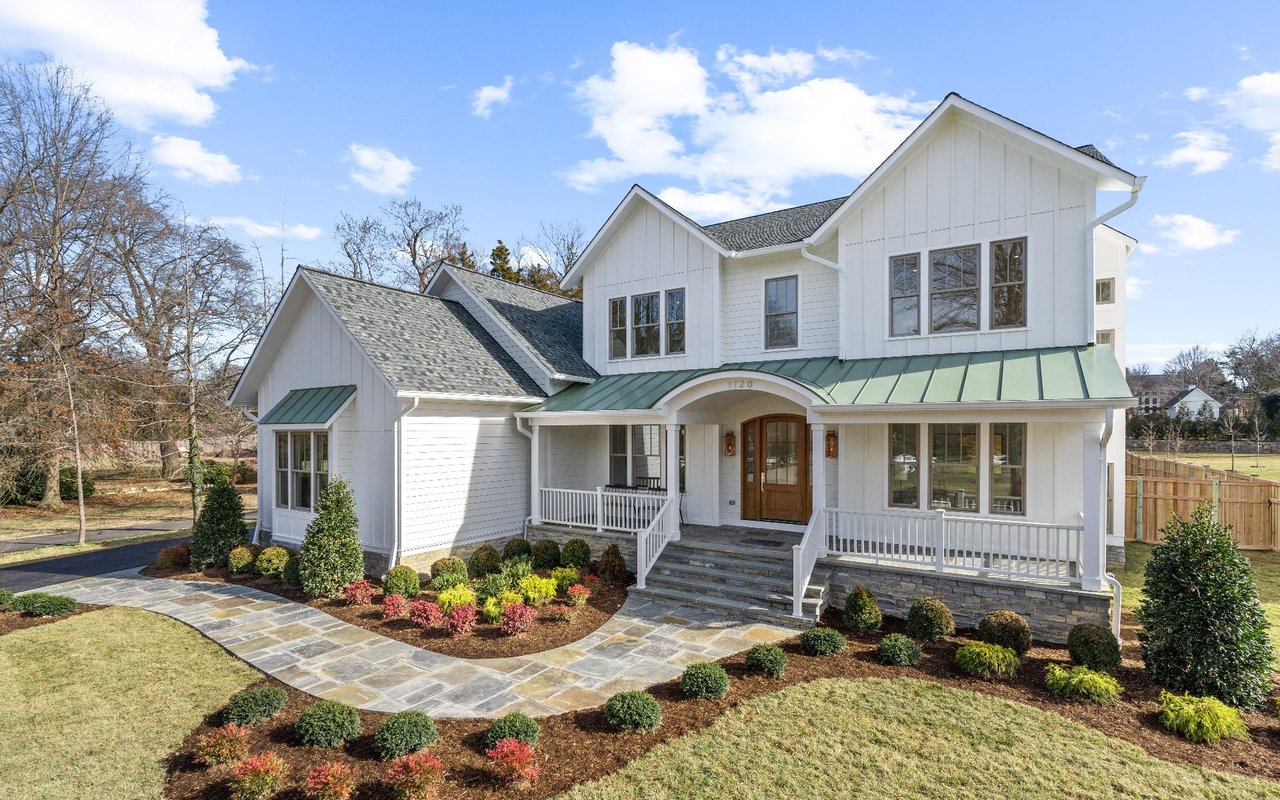
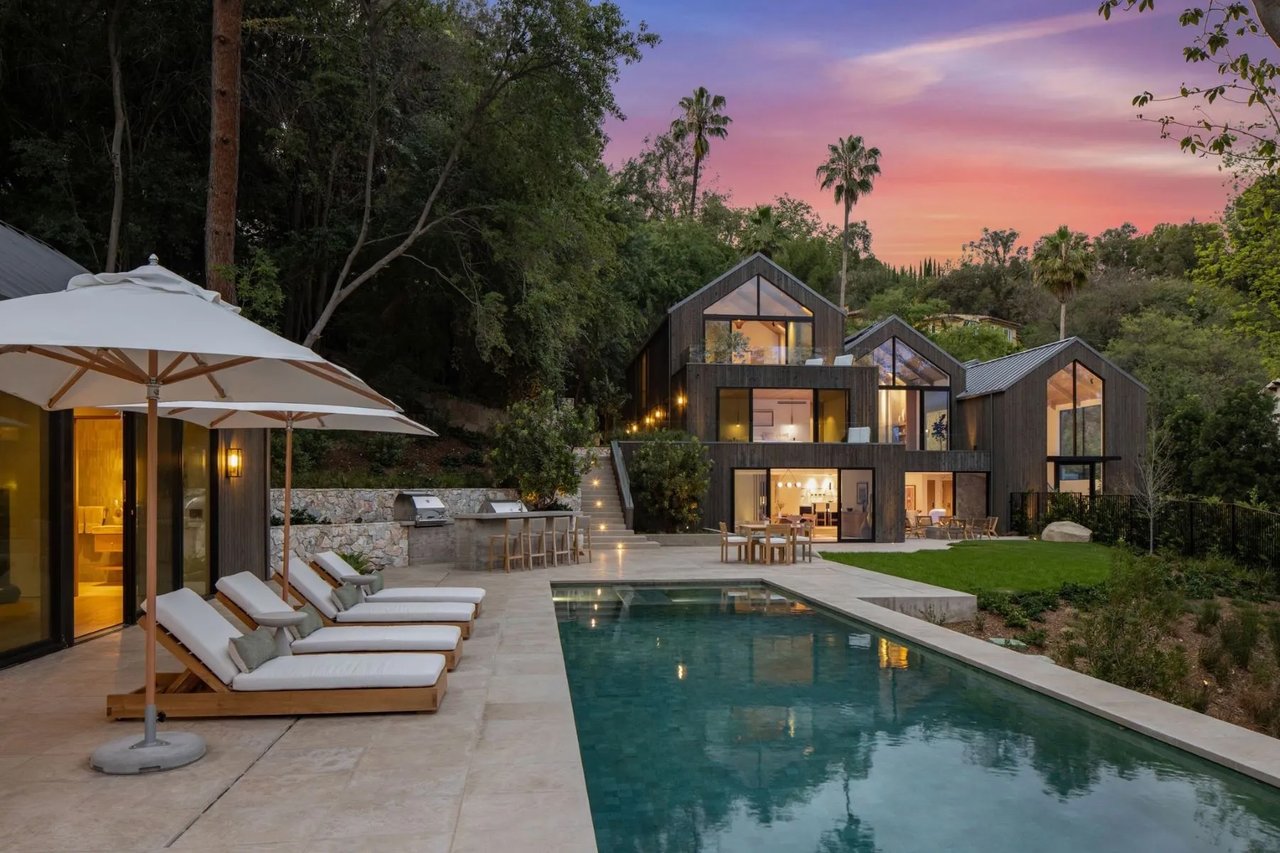
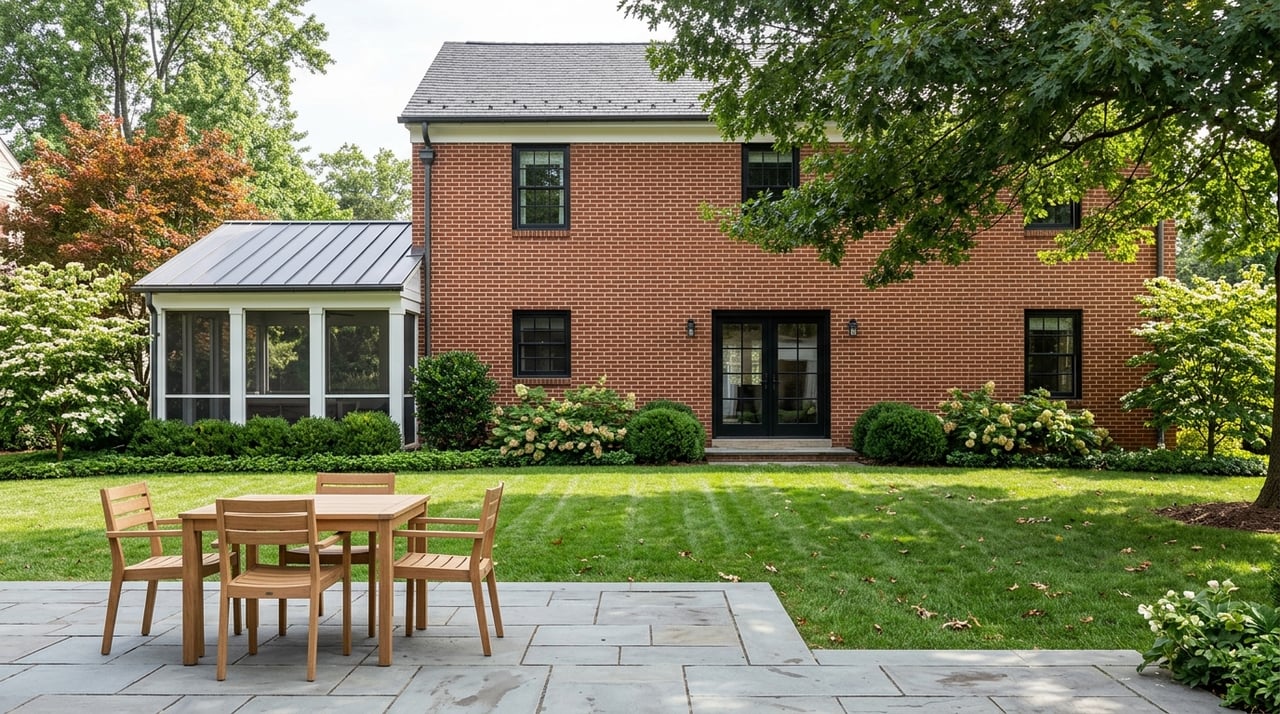
One of Seminary Hill’s biggest strengths is variety. Recent listings and sales show a mix of detached homes, townhomes, and condos, which gives you more than one entry point into the neighborhood. Depending on your budget and priorities, you may find anything from a condo or brick townhome to a larger single-family property with a substantial lot.
Housing examples in the area include mid-century detached homes, townhomes in Holland Towne, single-family homes on roughly 8,458-square-foot lots, colonials on nearly half an acre, and even mid-century modern homes on nearly two acres. That range suggests Seminary Hill can appeal to buyers looking for more breathing room than they may find in tighter parts of Alexandria.
What the Market Data Suggests
Market snapshots vary depending on how each platform defines the neighborhood and the time period used. Redfin’s Seminary Hill market page reported a February 2026 median sale price of $622,500, 49 days on market, and one offer on average. In contrast, Realtor.com’s December 2025 neighborhood summary showed a median home price of $455,000 and 54 days on market.
The takeaway is less about picking one number and more about understanding the pattern. Seminary Hill appears active and moderately competitive, but pricing can shift based on property type, lot size, and exact location within the broader area. If you are shopping here, it helps to evaluate condos, townhomes, and detached homes as separate segments rather than treating the neighborhood as one single market.
Why Buyers Consider Seminary Hill
For many buyers, Seminary Hill offers a middle ground that can be hard to find in Alexandria. You are still in the city, but the housing mix and neighborhood form often provide more privacy, more yard space, and a calmer residential setting than denser, more walkable districts.
That does not mean every block feels the same. As with most Alexandria micro-markets, your experience can vary based on your proximity to main roads, parks, and specific housing clusters. Still, the broader pattern points to a neighborhood that tends to appeal to buyers who value room to spread out and a more residential atmosphere.
Space and Privacy
Based on available housing samples and city planning context, Seminary Hill is often a strong fit if you want more lot space and a less compressed streetscape. That can be especially attractive if you are moving from a condo, looking for a yard, or simply hoping for a quieter day-to-day setting.
Green Surroundings
Green space is one of Seminary Hill’s clearest advantages. The City’s natural resources report identifies the area as occupying some of Alexandria’s highest ground and notes a network of preserved natural areas and open grassy tracts. Nearby resources include Brookvalley Park, Holmes Run Park, Seminary Forest, Fort Ward Park, Patrick Henry Woods, Taney Avenue Park, Fort Williams Park, Chinquapin Park and Forest Park, and Taylor Run Park and Angel Park.
If outdoor access matters to you, that concentration of parkland is a real quality-of-life benefit. It can shape everything from weekend routines to your sense of separation from busier commercial corridors.
Amenities That Support Daily Life
Seminary Hill is not just about residential streets and tree cover. It also benefits from practical amenities that can make daily life easier.
Fort Ward Park is a 45-acre historic site that adds both green space and local historical context. Brookvalley Park stretches along nearly 2.5 miles of the Holmes Run corridor and includes playgrounds and garden plots. At Chinquapin Park Recreation Center, you will find an indoor pool, tennis and pickleball courts, trails, and other recreation facilities.
The area also includes community anchors such as Burke Branch Library on Seminary Road and Inova Alexandria Hospital, which provides 24/7 emergency care and other hospital services. Together, these features make Seminary Hill feel livable in a practical sense, not just attractive on paper.
Commute and Getting Around
Seminary Hill is better understood as a mixed car-and-transit neighborhood rather than a purely walk-to-everything environment. For some buyers, that is a fair trade for more space and greenery. For others, it may be a reason to focus on a different part of Alexandria.
According to the City’s transit planning for Seminary Hill and Janneys Lane, the area is served by DASH routes AT-2/2X and AT-5, along with Metrobus routes 8W, 8Z, and 28A. Those bus connections are centered on King Street Metro and Mark Center, which can support regional commuting without requiring every trip to start behind the wheel.
At the same time, road access plays a major role here. The Seminary Road Complete Streets project added bike lanes and new crossings on part of Seminary Road, while the City has also studied safety concerns in the Seminary West area. That planning context reinforces an important point: if you choose Seminary Hill, you should expect a more suburban commuting pattern than you would in Alexandria’s most walkable neighborhoods.
Who Seminary Hill Fits Best
Seminary Hill can be a smart match if you want to stay in Alexandria but shift your priorities toward space, privacy, and access to parks. It often makes sense for move-up buyers, households seeking a less dense residential setting, or anyone who prefers mature trees and larger lots over the busiest urban blocks.
It may be less ideal if your top priority is walking to a dense lineup of restaurants, boutiques, and nightlife. In that case, another Alexandria neighborhood may align more closely with your lifestyle. The key is being clear about what matters most in your next move.
Questions to Ask Before You Buy Here
Before you decide Seminary Hill is the right fit, it helps to ask a few practical questions:
- Do you want a detached home, townhome, or condo?
- How much outdoor space do you realistically want to maintain?
- How important is quick access to parks and recreation?
- Are you comfortable with a commute pattern that mixes driving and transit?
- Would you trade some walkability for a more residential setting?
When you answer those questions honestly, Seminary Hill usually becomes easier to evaluate. It is not trying to be Old Town or Del Ray, and that is exactly why it appeals to many buyers.
Final Thoughts on Seminary Hill
If your ideal Alexandria neighborhood includes more room, mature landscaping, and a practical mix of housing types, Seminary Hill is well worth considering. Its lower-scale residential character, strong park access, local history, and everyday amenities give it a distinct identity within the city.
The right move, of course, depends on your budget, property type, commute needs, and lifestyle priorities. If you want help weighing Seminary Hill against other Alexandria neighborhoods, The Patterson Group can help you compare options with clear, local guidance and a process built around responsiveness and discretion.
FAQs
Is Seminary Hill in Alexandria more suburban than urban?
- Yes. Seminary Hill generally offers a more residential, lower-density setting than Alexandria’s densest and most walkable neighborhoods, with a commute pattern that often mixes car travel and transit.
What types of homes are available in Seminary Hill?
- Recent listings and sales show a mix of detached homes, townhomes, and condos, with lot sizes and home styles that vary widely across the area.
Does Seminary Hill Alexandria have good access to parks?
- Yes. The area is known for strong access to green space, including Fort Ward Park, Brookvalley Park, Holmes Run Park, Seminary Forest, Chinquapin Park, and several other natural areas.
Is Seminary Hill a competitive real estate market?
- Available data suggests the market is active and moderately competitive, though median price and days-on-market figures can vary depending on the source and reporting period.
Who should consider moving to Seminary Hill in Alexandria?
- Seminary Hill may be a good fit if you want more space, mature trees, nearby parks, and city services while staying within Alexandria.