The Return of the Home Library
Why cozy, character-filled spaces are making a comeback in luxury homes
For years, open-concept layouts and ultra-minimalist interiors dominated home design trends. Formal sitting rooms disappeared, walls came down, and homes became brighter, larger, and more streamlined. But lately, a quieter trend has been making its return: the home library.
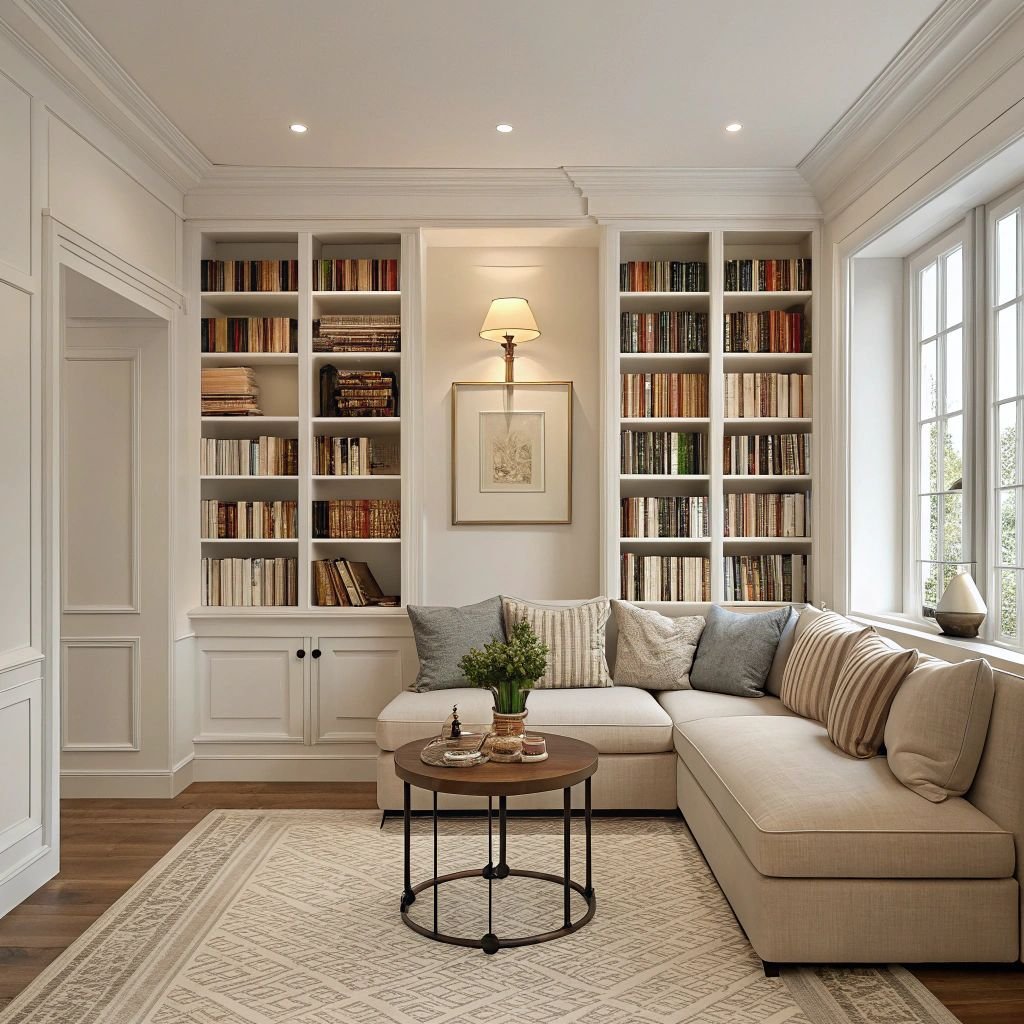
From floor-to-ceiling bookshelves to cozy reading rooms layered with texture and warmth, designers are embracing spaces that feel personal, collected, and deeply lived in. What was once considered a traditional or even outdated feature is quickly becoming one of the most sought-after spaces in luxury homes once again.
Part of the appeal lies in the larger shift happening within interior design. Buyers are moving away from spaces that feel overly polished or impersonal and gravitating toward homes with warmth, character, and a sense of individuality. In a world that feels increasingly fast-paced and digital, there is something undeniably comforting about a room centered around slowing down.
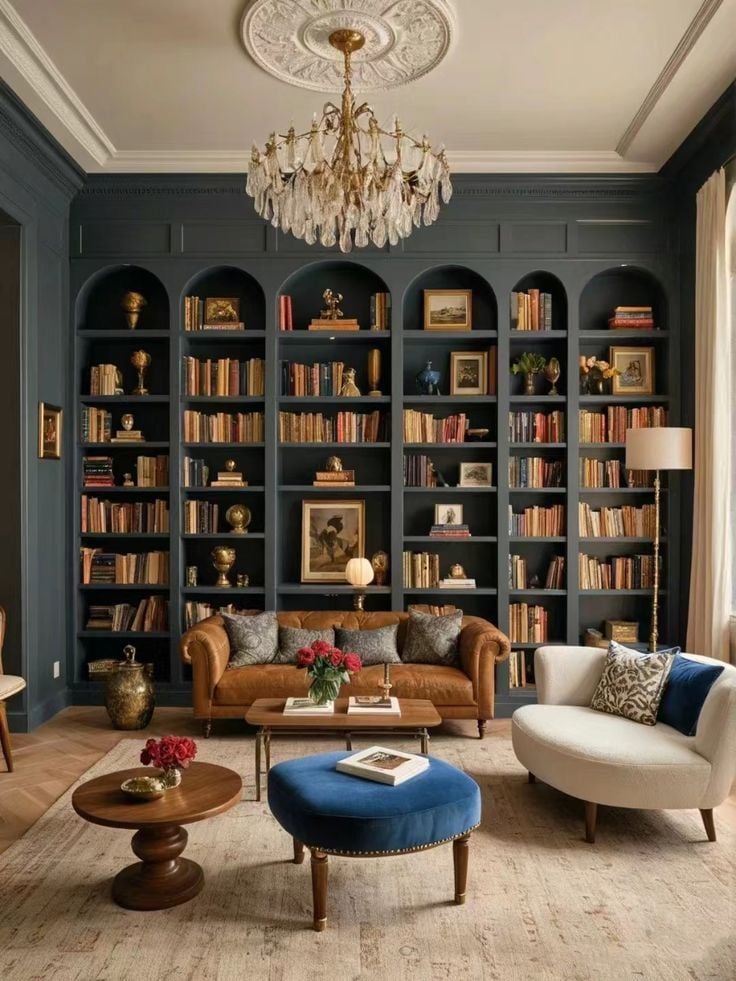
Recently, Homes & Gardens highlighted the growing popularity of what designers are calling the “library wrap” trend, rooms enveloped in bookshelves, layered décor, and cozy architectural details. Unlike minimalist interiors, these spaces embrace personality. Books are no longer hidden away; they have become part of the design itself.
At the same time, the resurgence of home libraries reflects a growing desire for spaces that feel separate from the constant presence of screens and technology. As more of daily life happens online, homeowners are gravitating toward rooms designed for reading, conversation, and quiet moments at home. Rather than feeling formal or outdated, today’s libraries feel warm, relaxed, and deeply individual.
And today’s home libraries are far from formal.
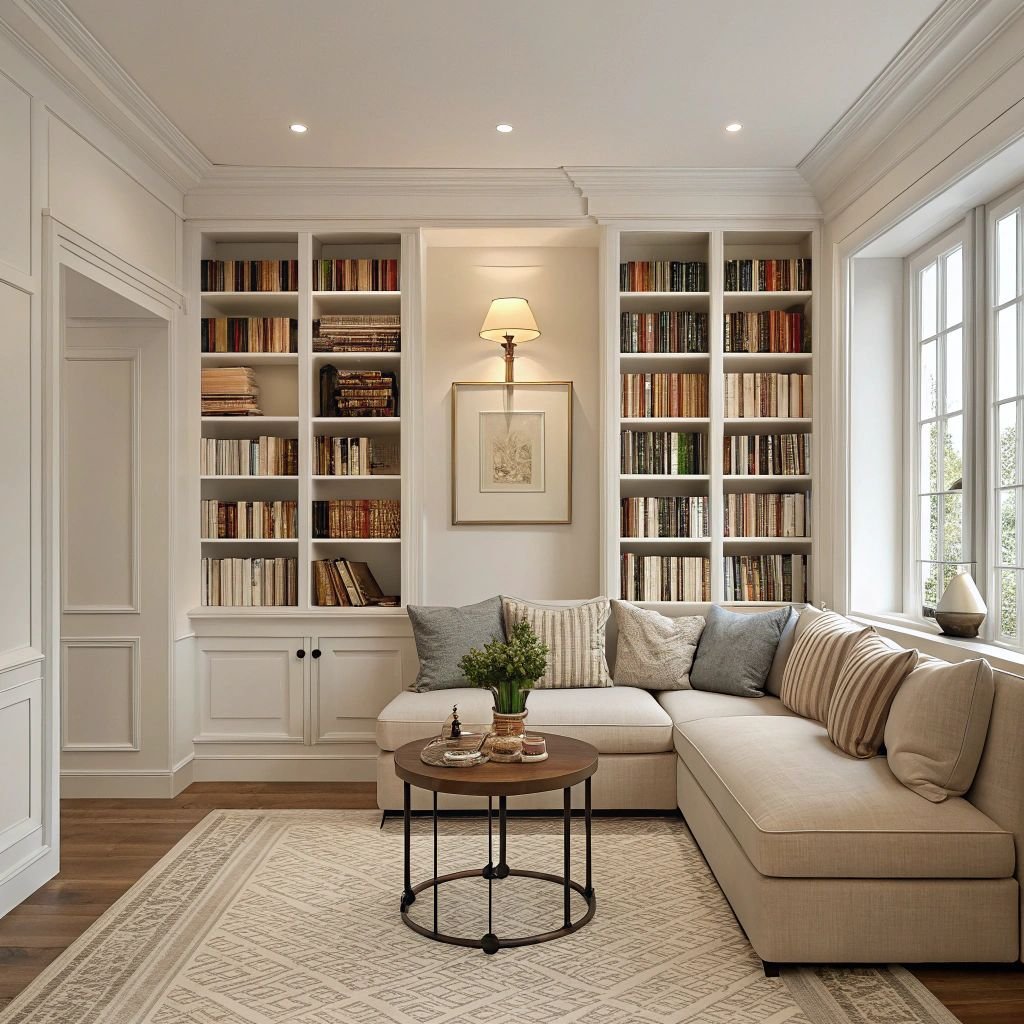
Modern interpretations are multifunctional and highly livable. Some serve as reading rooms and home offices, while others double as lounge spaces for entertaining or relaxing at the end of the day. Built-in shelving, warm lighting, vintage accents, and comfortable seating all contribute to a more intimate atmosphere, one that feels intentionally designed for everyday life.
Designers also note that libraries have a unique ability to make even expansive homes feel cozy and inviting. Floor-to-ceiling shelving adds warmth, depth, and architectural interest, while curated book collections help tell the story of the people who live there. More than just storage, libraries add character and individuality to a home through collected books, artwork, and meaningful objects.
The trend aligns naturally with the rise of “quiet luxury,” interiors that prioritize craftsmanship, comfort, and timeless design over excess. Instead of dramatic statement pieces or overly trend-driven décor, homeowners are investing in spaces that feel enduring and personal. A thoughtfully designed library offers exactly that.
It’s also a trend particularly well suited to Alexandria homes.
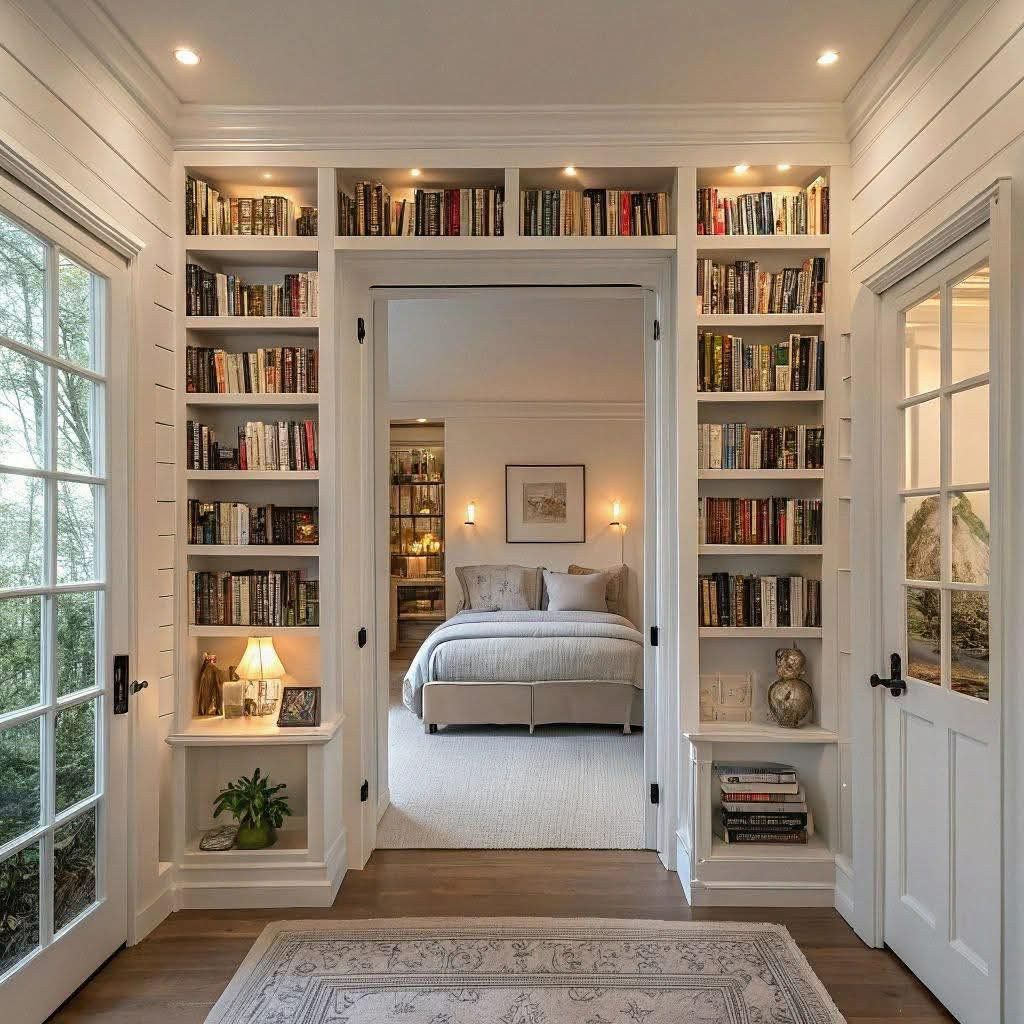
From historic Old Town rowhomes to elegant properties along the George Washington Parkway, many of the area’s homes already feature the architectural details that lend themselves beautifully to library-inspired spaces: original millwork, fireplaces, studies, dens, and tucked-away sitting rooms. These homes naturally embrace the layered, collected aesthetic buyers are increasingly drawn to.
Even in newer construction, we are seeing more homeowners carve out intentional “quiet spaces” within the home, whether it’s a reading nook, a built-in wall of shelving, or a cozy den designed for unwinding away from the open-concept main living areas.
Ultimately, the return of the home library reflects something larger than a design trend. It speaks to the way people want to live today. Homes are no longer just places to entertain or pass through; they are spaces where people want to feel grounded, comfortable, and connected.
And sometimes, the most luxurious room in the house is simply the one that invites you to slow down and stay awhile.
*Photo credits - Pinterest