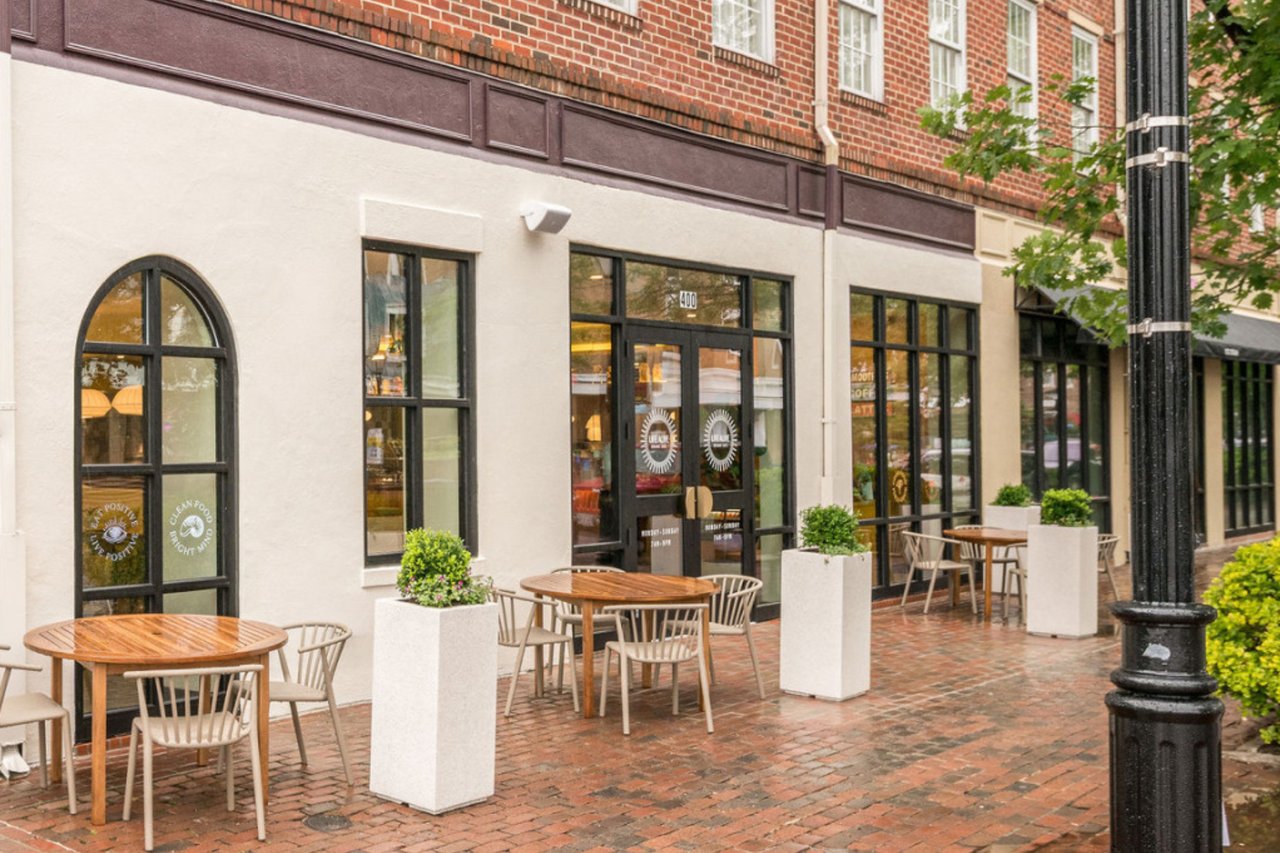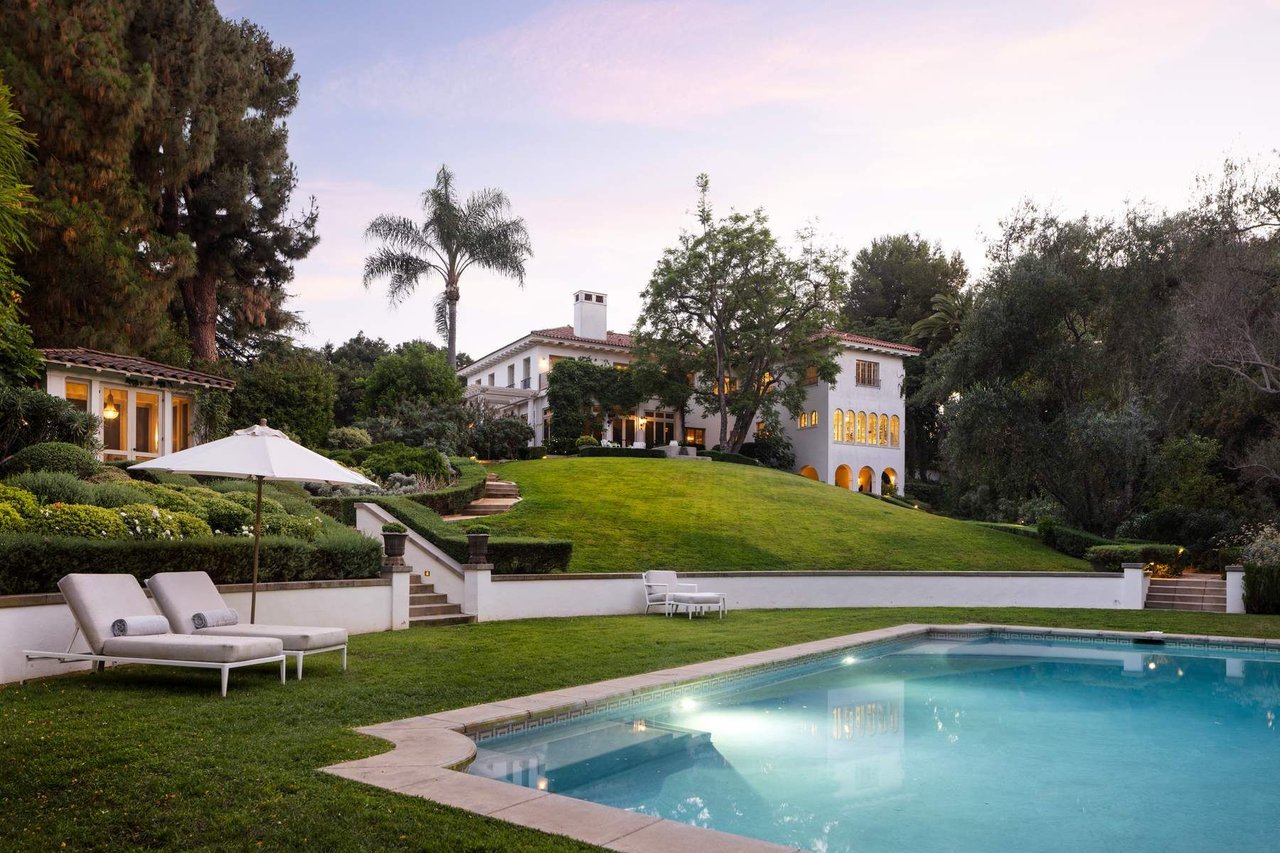
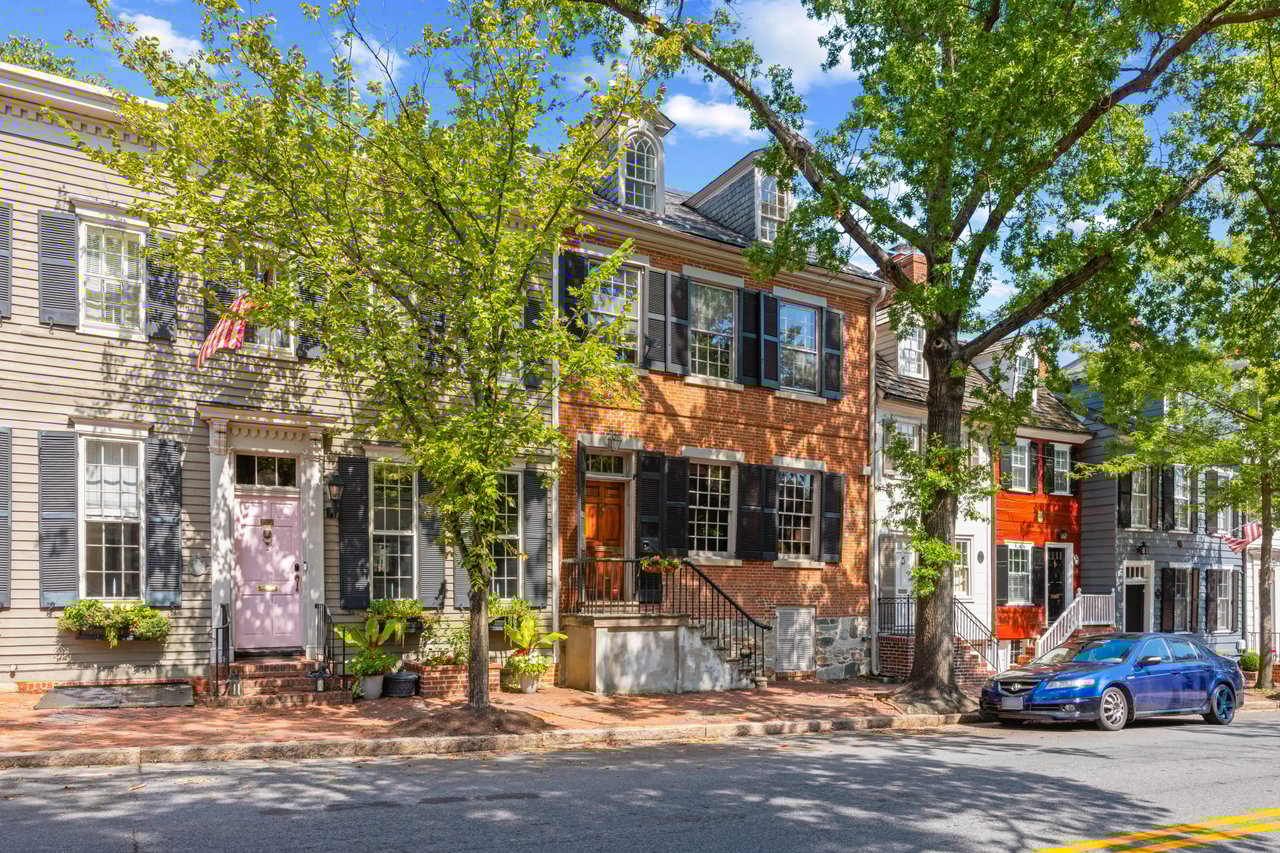
If you dream of a brick-front townhome a few blocks from the Potomac, Old Town delivers charm, walkability, and a rich sense of place. The tradeoff is choice and complexity. Between historic rowhouses, modern infill, and luxury new builds, each option comes with different rules, layouts, parking realities, and maintenance needs. In this guide, you will learn how to compare the main townhome types, understand preservation rules, plan for parking and flood risk, and budget for upkeep so you can choose with confidence. Let’s dive in.
Old Town at a glance
Old Town sits along the waterfront near King Street and is covered in large part by a local historic overlay called the Old & Historic Alexandria District. The overlay controls exterior work that is visible from public streets and requires approvals in many cases. The City’s Board of Architectural Review oversees those standards and issues Certificates of Appropriateness. You can review the rules and processes on the City’s Historic Preservation page for clarity on what is allowed and how to apply for approvals: City of Alexandria Historic Preservation.
Prices in Old Town typically run higher than the Alexandria citywide median, with neighborhood-level trackers reporting a recent range around the low to mid seven figures. Late 2025 and early 2026 snapshots often showed Old Town medians near 1.2 million to 1.4 million. Your specific budget and must-haves will shape whether a historic charmer, a 1990s-style infill, or a recent luxury build is the better fit.
How preservation rules affect your plans
What the OHAD and BAR do
Most exterior changes that are visible from a public right of way are regulated inside the Old & Historic Alexandria District. The Board of Architectural Review applies design guidelines and issues Certificates of Appropriateness for qualifying work. For larger removals of exterior materials, the BAR also issues Permits to Demolish. Understanding this framework early prevents surprises and saves time. Learn more on the City’s overview: Historic Preservation and BAR.
What usually needs approval
While typical interior renovations do not require BAR approval, many exterior items do. Fences, gates, walls, visible roof structures, and new decks often require review. If you are hoping for a roof deck or a taller rear addition, ask first, then plan appropriately. The City’s topic briefs are helpful, including guidance on fences, gates, and walls in the historic district.
Three townhome paths in Old Town
1) Historic brick rowhouses
These 18th and 19th century homes define the classic Old Town streetscape. Expect narrow, deep lots, 2 to 4 stories, period details, and modest rear courtyards or patios. Kitchens are often expanded from the original footprint, and basements may have lower ceiling heights. On-site parking is limited in many cases, so on-street permit parking is common.
Pros:
- Unmatched historic character and materials.
- Walkable, central blocks and a classic Old Town lifestyle.
- Fee simple ownership in many cases, which can mean fewer monthly dues.
Watch-outs:
- Exterior changes visible from the street require approvals. See Historic Preservation and BAR.
- Masonry and wood window upkeep is part of responsible ownership. For brick, repairs should follow best practices for compatible mortar. Review the National Park Service’s guidance on repointing historic masonry.
- Parking is often curbside via the City’s Residential Permit Parking program. Review the Residential Permit Parking facts to understand eligibility, fees, and visitor permits.
2) Late 20th century infill and planned communities
Built or converted between the 1970s and early 2000s, these townhomes pair Old Town’s location with more modern layouts. Many include attached or rear-entry garages, open kitchens, and small patios. Communities often have homeowners associations that handle certain exterior items and common areas.
Pros:
- More modern floor plans with better storage and larger kitchens.
- On-site parking or garages that simplify daily life.
- HOA services can reduce personal maintenance load.
Watch-outs:
- Monthly dues. Review budgets and reserves to gauge long-term health.
- Confirm which exterior components the HOA covers versus what you maintain.
- Some properties still sit within the historic district boundary, so exterior changes may still need approvals. Check the address on the Historic Preservation page and confirm with the City.
3) Recent luxury infill and new construction
Boutique new builds in Old Town emphasize space, light, and convenience. Many offer elevators, higher ceilings, energy-efficient systems, large terraces or rooftop decks, and two-car garages. These homes often command a premium relative to similarly sized historic properties.
Pros:
- Open layouts, modern systems, and accessible features like elevators.
- Generous outdoor entertaining spaces designed into the plan.
- Attached garages and thoughtful storage.
Watch-outs:
- Higher upfront price and potentially higher property taxes due to newer assessments.
- If located inside the historic overlay or a sensitive streetscape, exterior design may still be subject to review. See Historic Preservation and BAR.
Parking, permits, and flood risk
Parking reality on historic blocks
Many historic rows do not have driveways or garages. Most residents rely on the City’s permit system for curbside parking and arrange guest permits for visitors. Before you write an offer, verify what conveys with the home: number of deeded or garage spaces, alley access, and permit district details. For program rules and fees, review the Residential Permit Parking facts.
Floodplain due diligence
Old Town’s proximity to the Potomac means some blocks are in FEMA-mapped floodplains. Check the parcel’s FEMA flood zone, any elevation certificates, and whether your lender will require flood insurance. The City’s map and guidance provide a clear starting point. Explore the Alexandria Flood Map and preparedness resources and consult your insurance agent for quotes.
Cost and maintenance planning
Historic masonry, roofs, and mechanical systems deserve early attention in your budget. Matching historic brick with appropriate mortar is essential for longevity. The National Park Service explains why and how in its brief on repointing historic masonry. For roofs, national guides show a common replacement range in the mid-thousands to low five figures for typical asphalt systems, with slate or metal costing more. See an overview of ranges in HomeAdvisor’s roofing cost guide. For older homes, also plan for possible electrical panel upgrades, HVAC replacements, and window restoration or replacement where permitted.
A simple rule of thumb helps: if a feature is older, exposed to the elements, or essential to building performance, assume it will need proactive care. If you prefer minimal maintenance in the first five years, lean toward newer infill or thoroughly renovated homes, and confirm past permits and warranties.
Buyer checklist for Old Town townhomes
Use this list to structure your due diligence and keep your offer strategy clean and confident.
-
Ownership and title
- Confirm fee simple versus condo or HOA. Request the recorded deed and plat.
- Identify any shared driveways or easements.
-
Historic approvals and permits
- Ask for copies of Certificates of Appropriateness or BAR docket numbers for any exterior work.
- If you plan changes, ask whether similar projects have been approved nearby. Start with Historic Preservation resources.
-
Parking and access
- Count deeded or garage spaces and verify alley access, if any.
- Confirm the property’s permit district and review RPP rules and fees.
-
HOA or condo packet (if applicable)
- Review CC&Rs, bylaws, budgets, reserve studies, meeting minutes, pending assessments, and litigation.
- Clarify who maintains the roof, exterior walls, and any private outdoor space.
-
Flood and insurance
- Request seller disclosures, any elevation certificates, and prior claim history.
- Check the Alexandria Flood Map and obtain a quote from your insurer.
-
Inspections and quotes
- Prioritize masonry, roof, chimneys, foundation or basement moisture, HVAC, electrical, plumbing, and windows.
- For historic brick, confirm that previous repointing followed NPS standards. See NPS guidance.
-
Permits and as-builts
- Verify that renovations were permitted and finalized. Unpermitted exterior work in the historic district can be costly to correct.
-
Negotiation playbook
- Consider credits for identified repairs, flood-related due diligence costs, or anticipated exterior work that will need BAR approvals.
Which Old Town townhome fits you?
-
You want low maintenance and secure parking
- Focus on newer infill or luxury builds with attached garages and modern systems. Confirm HOA coverage and rule flexibility for minor exterior items.
-
You want historic character and a central Old Town lifestyle
- Focus on 18th or 19th century rowhouses with proven maintenance history. Budget for masonry care, roof timelines, and window work. Plan exterior projects with BAR approvals in mind using Historic Preservation resources.
-
You want larger outdoor spaces or a roof deck
- Newer infill and recent luxury townhomes often integrate terraces or rooftop spaces. If you consider adding a deck to a historic home, review the City’s topic briefs, including fences, gates, and walls, and consult staff about visibility and design.
The bottom line
Choosing an Old Town townhome is about matching the architecture and lifestyle you love with the rules, parking, flood profile, and upkeep you are comfortable managing. Historic rowhouses offer timeless character in exchange for hands-on stewardship. Newer infill and luxury builds deliver convenience, space, and parking with potential HOA structures and higher upfront costs. With a clear checklist and the right local guidance, you can move forward with confidence.
If you are weighing options or want a block-by-block look at current inventory, reach out to the local team that treats the process with care and precision. Connect with Patterson Real Estate Group for a tailored strategy and a smooth path from search to keys in hand.
FAQs
What is the Old & Historic Alexandria District and how does it affect townhomes?
- The district regulates exterior changes visible from public streets, requiring approvals from the Board of Architectural Review for many projects. Start with the City’s overview of Historic Preservation and BAR.
Do I need approval for a rooftop deck on a townhome in Old Town?
- Often yes, especially if the deck or its railing is visible from a public right of way; review the City’s topic briefs like fences, gates, and walls and consult staff about rooftop visibility and design.
How does parking work for townhomes without a garage in Old Town Alexandria?
- Many owners use the City’s Residential Permit Parking program for curbside spaces and obtain guest permits for visitors; review eligibility and fees in the RPP facts.
What flood checks should I do when buying near the Alexandria waterfront?
- Confirm the FEMA flood zone, request any elevation certificates and prior claims, and get insurance quotes; the City’s Flood Map is the best starting point.
What historic maintenance should I budget for on a brick rowhouse?
- Plan for periodic masonry repointing, roof work, chimney care, and potential window restoration; follow best practices from the NPS brief on repointing historic masonry.
How do HOA townhomes differ from fee simple rowhouses in ongoing costs?
- HOAs add monthly dues that cover shared elements and amenities, while fee simple owners pay directly for exterior and structural upkeep; review the HOA’s budgets and reserves to understand your exposure.