Inside the Global Luxury Real Estate Market
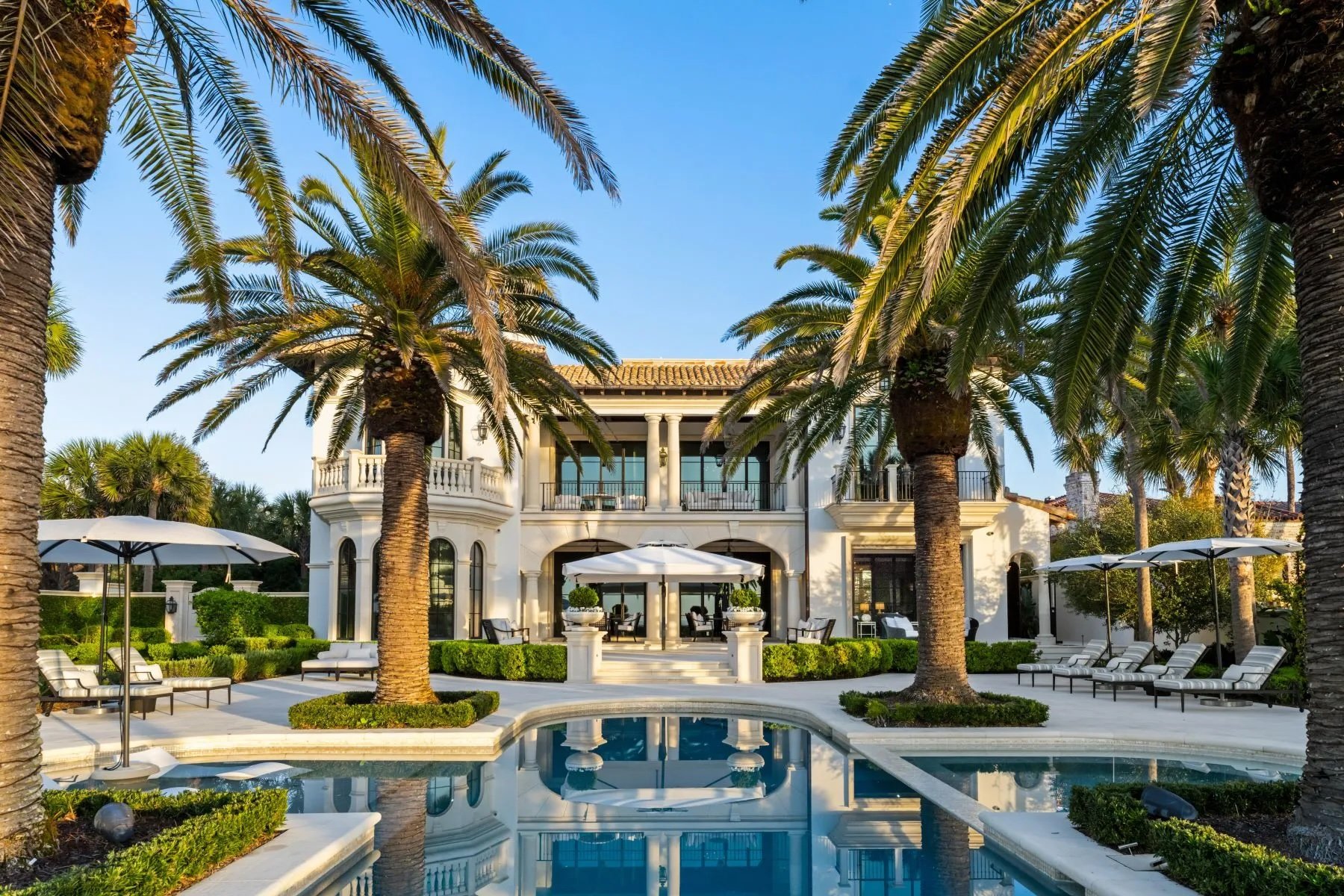
(Sea Island, Georgia)
Luxury real estate has always operated by a different set of rules. While headlines over the past year have focused on inflation, interest rates, political change, and global uncertainty, the world's premier property markets have continued to demonstrate remarkable resilience.
Across the globe, affluent buyers remain active—not because they are immune to economic conditions, but because they approach real estate with a long-term perspective. They are purchasing thoughtfully, prioritizing exceptional quality, and seeking homes that offer more than financial value. For today's luxury buyer, real estate represents lifestyle, legacy, and lasting investment.
According to Sotheby's International Realty's 2026 Mid-Year Luxury Outlook, demand for best-in-class properties continues to outperform expectations. From New York and Washington, D.C., to London, Sydney, Singapore, and Mumbai, the story is remarkably consistent: exceptional homes continue to attract exceptional buyers.
A Market Defined by Confidence
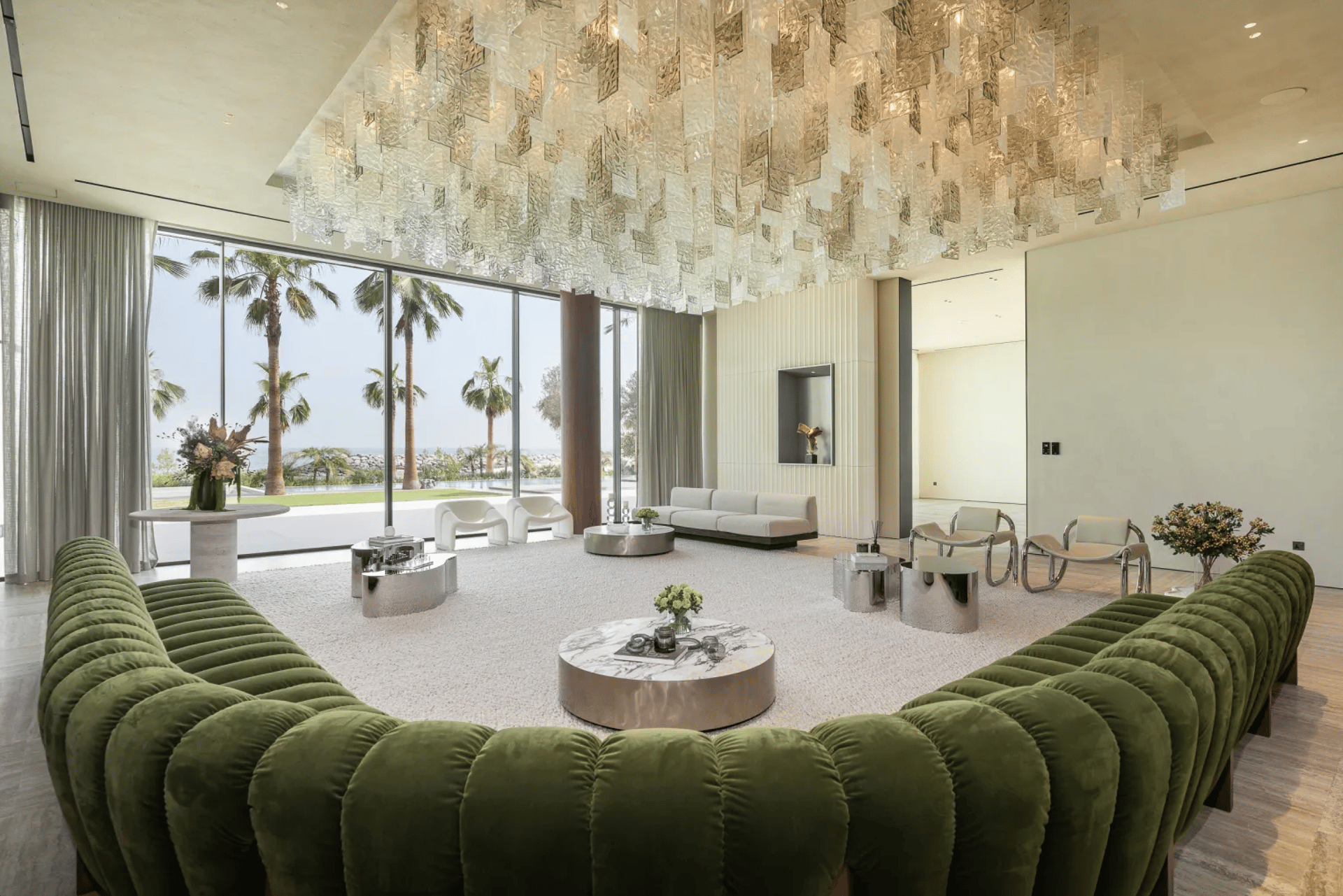
(Jumeirah Bay Island)
While much of the broader housing market has adjusted to higher borrowing costs, luxury real estate has remained resilient. One of the defining characteristics of today's high-end market is that many buyers are less dependent on traditional financing. Instead, they are leveraging accumulated wealth, investment portfolios, and existing real estate equity to make strategic purchases.
The past several years have also seen extraordinary wealth creation. Strong equity market performance, rising home values, and continued appreciation across global financial markets have significantly increased the purchasing power of high-net-worth individuals. In the United States alone, the top 1% now holds approximately $54 trillion in net worth, while the S&P 500 has risen roughly 80% since early 2023—creating new opportunities for investment and diversification.
Rather than waiting for the "perfect" market conditions, affluent buyers continue to focus on acquiring properties that are truly exceptional. Prime real estate has long been viewed as a stable store of wealth, and today's market reinforces that perception.
Lifestyle Is the New Luxury
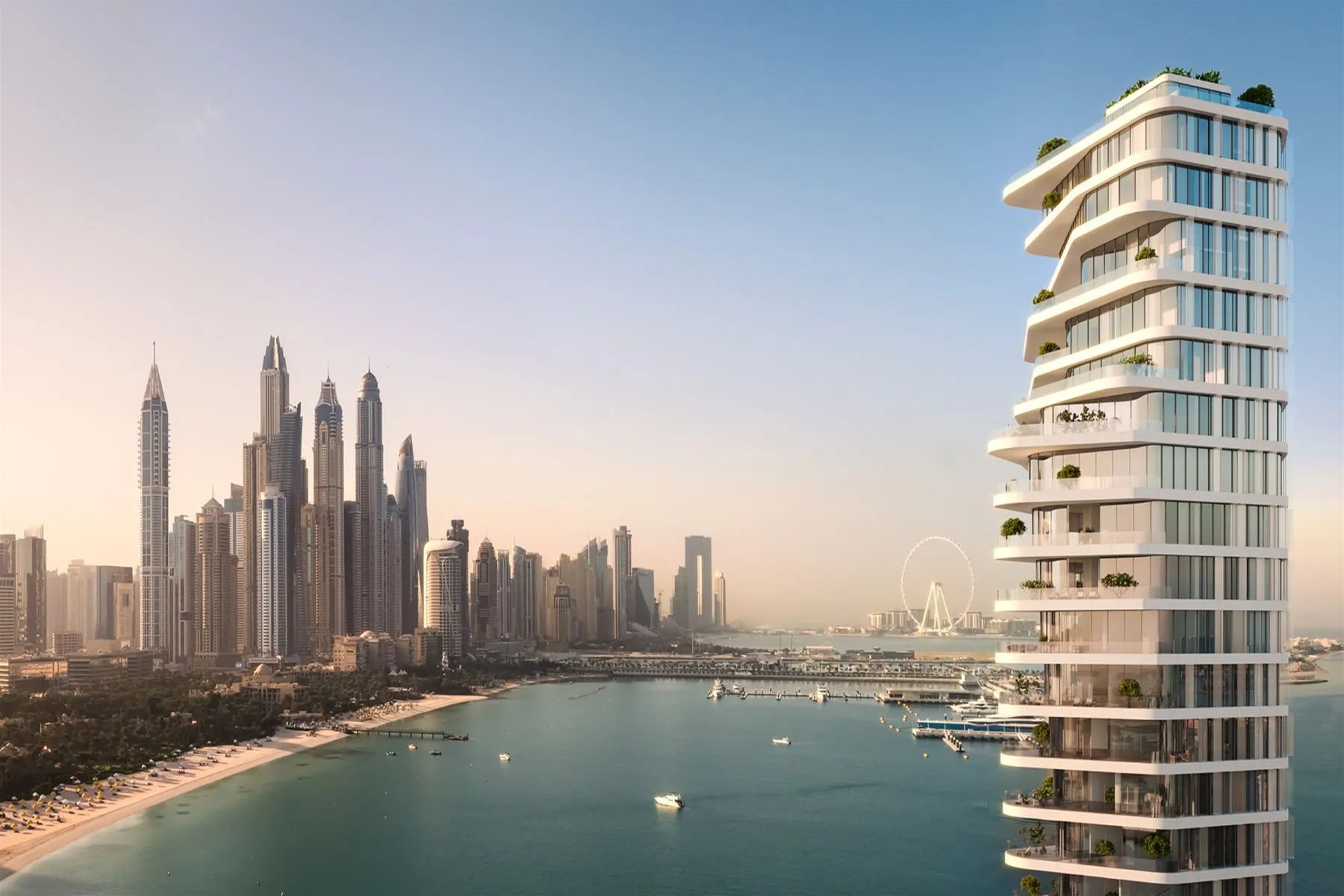
(AVA at Palm Jumeirah By Omniyat, Dubai, UAE)
Today's luxury buyers are investing in more than square footage; they're investing in how they want to live.
Across global markets, lifestyle has become one of the strongest drivers of purchasing decisions. Buyers increasingly seek homes that balance architectural excellence with everyday comfort, prioritizing privacy, wellness, thoughtful design, and seamless indoor-outdoor living.
Move-in-ready residences continue to command significant attention. As construction costs fluctuate and renovation timelines become less predictable, buyers are gravitating toward homes that have already been meticulously designed and finished to the highest standards.
The appeal extends beyond the home itself. Walkable neighborhoods, waterfront settings, access to cultural institutions, world-class dining, and luxury hospitality services are shaping buyer preferences around the world. Branded residences affiliated with renowned hospitality names - including St. Regis, Four Seasons, Mandarin Oriental, and Rosewood - continue to gain momentum by offering the service and convenience of a five-star hotel alongside private homeownership.
Increasingly, luxury is defined not simply by prestige, but by the quality of everyday experiences.
A New Generation of Luxury Buyers
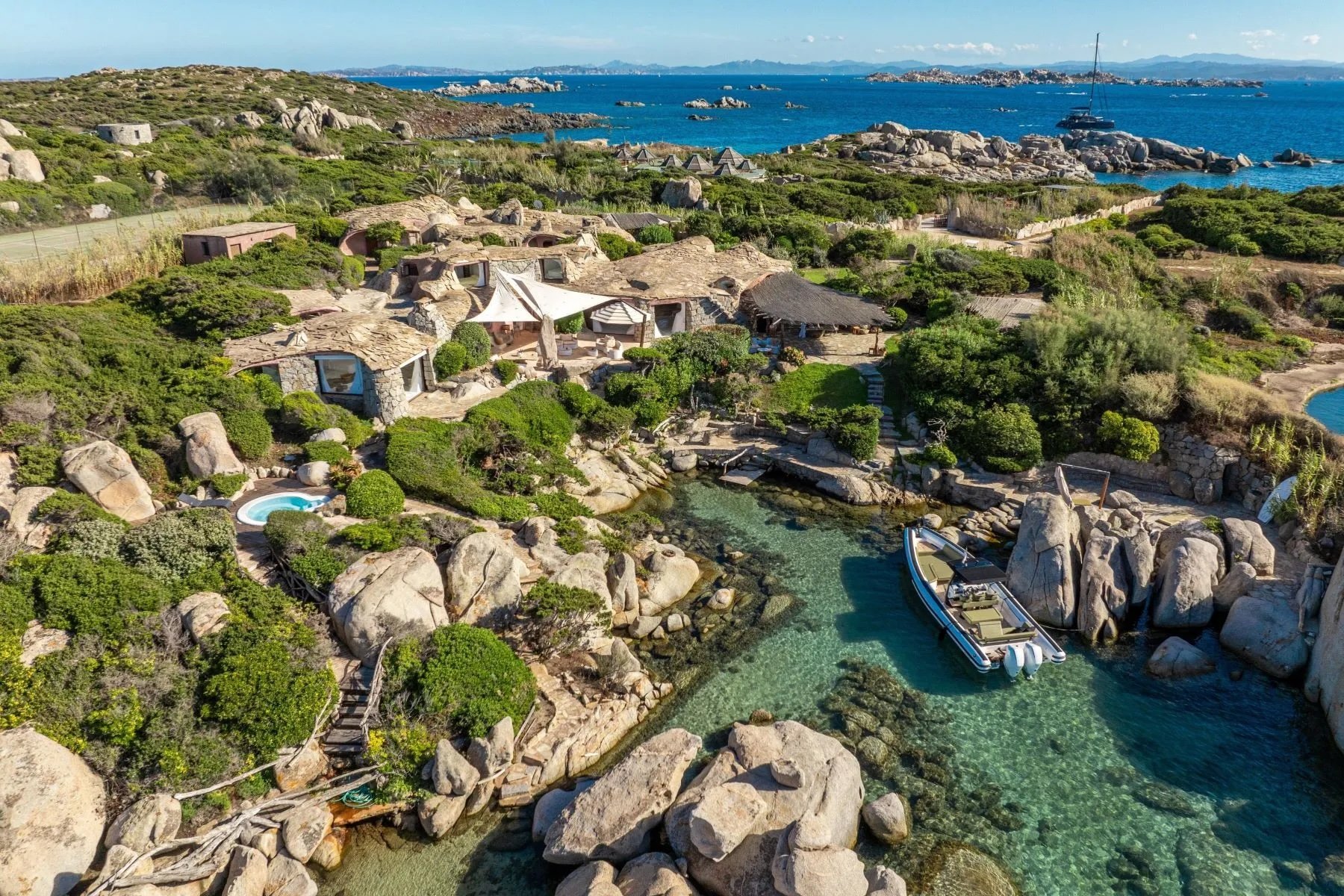
(Bonifacio, Corsica - France)
The luxury housing market is also evolving as a younger generation enters the space. Entrepreneurs, technology founders, executives, and second-generation wealth are becoming an increasingly influential force in luxury real estate. Many are purchasing primary residences earlier than previous generations, while others are expanding their portfolios with second and third homes.
Intergenerational wealth transfer is accelerating this shift. Families are passing significant assets to younger generations, providing new opportunities for homeownership at the highest end of the market. At the same time, strong equity markets and entrepreneurial success continue to create first-generation wealth around the world.
These buyers often place a greater emphasis on design, flexibility, sustainability, and lifestyle than previous generations. They value homes that reflect the way they live today—spaces that support entertaining, remote work, wellness, and travel—while still serving as enduring long-term investments.
A Global Story of Resilience
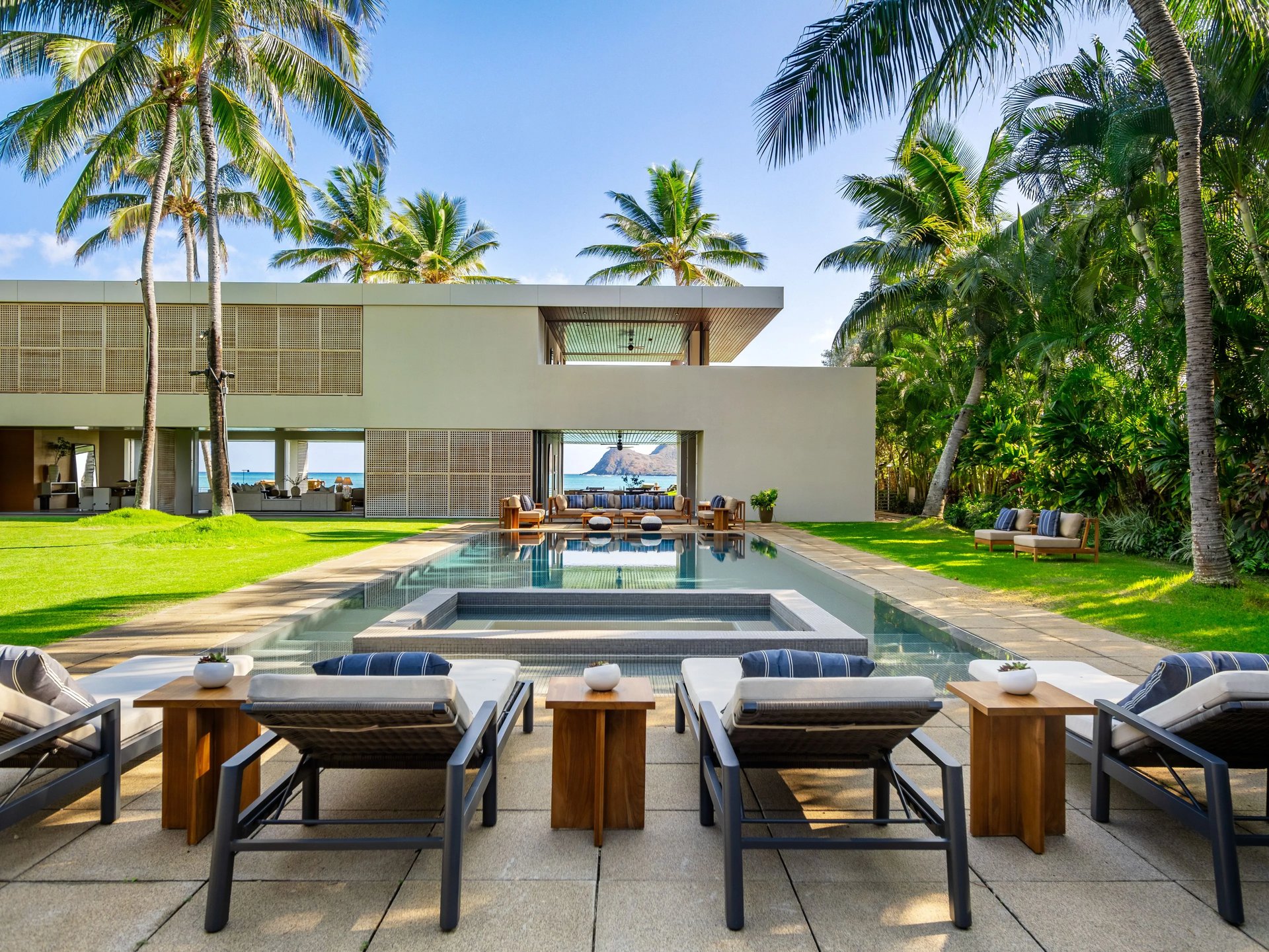
(Kailua, Hawaii)
Although every luxury market has its own unique dynamics, several themes continue to emerge across Sotheby's International Realty's global network.
In New York City and Washington, D.C., affluent buyers remain confident despite changing political and economic conditions. London's prime market has demonstrated surprising resilience following tax reforms, with beautifully renovated turnkey homes attracting strong competition. In San Francisco, renewed confidence fueled by the rapid expansion of artificial intelligence has reinvigorated the city's luxury market, bringing buyers back to one of the world's leading innovation hubs.
Across the Asia-Pacific region, momentum continues to build. India's luxury market has experienced exceptional growth, driven by rising wealth, entrepreneurial success, and increasing demand for iconic residences in cities such as Mumbai and New Delhi. Singapore continues to attract ultra-high-net-worth individuals seeking stability, privacy, and long-term wealth preservation, while Sydney's limited inventory and coveted waterfront locations continue to support steady price appreciation.
Despite the diversity of these markets, one trend remains remarkably consistent: buyers continue to compete for exceptional homes in premier locations. Scarcity, quality, and timeless design remain some of the most valuable assets in luxury real estate.
Travel, Experiences, and the Rise of Lifestyle Investing
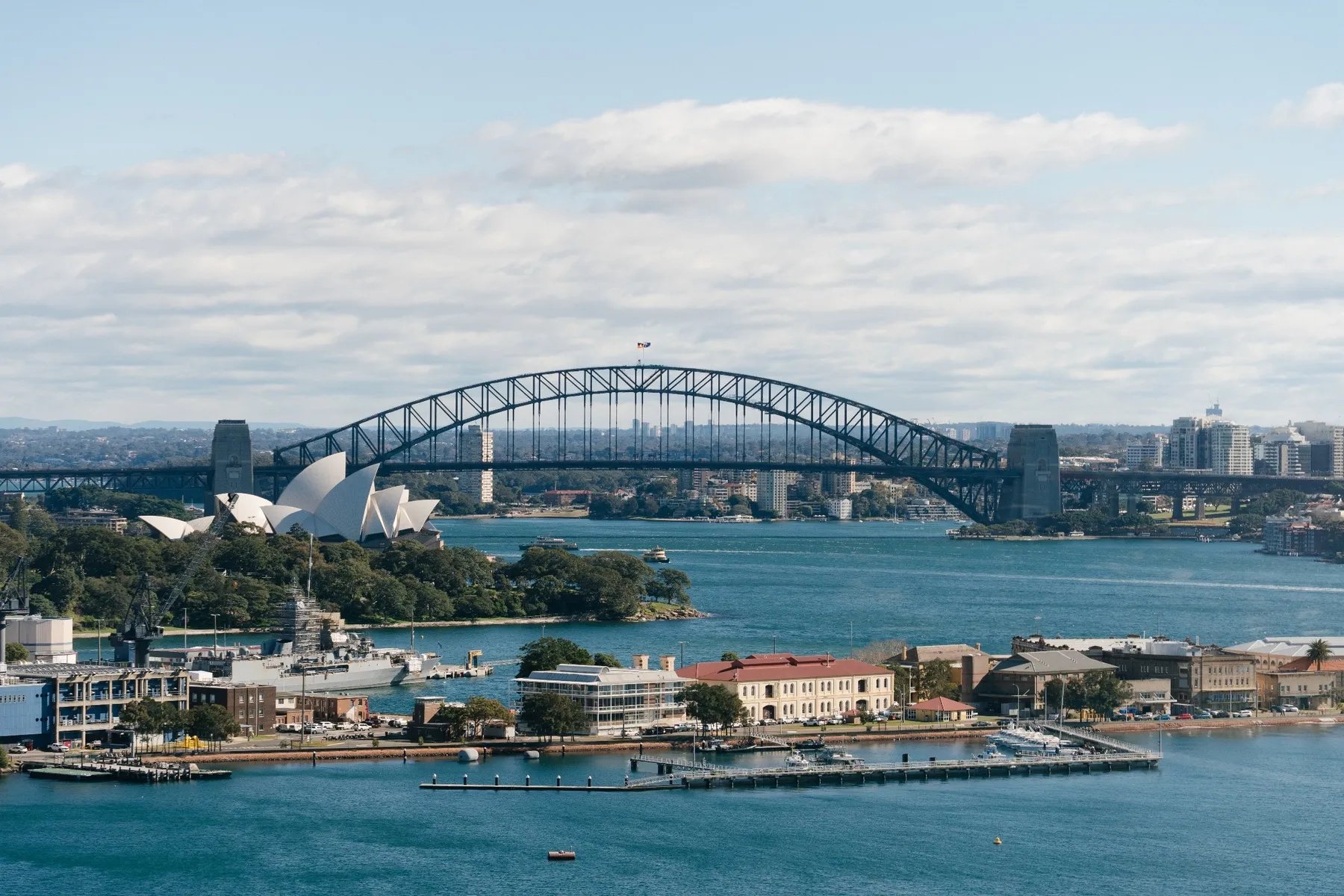
(Sydney, Australia)
Luxury travel is increasingly influencing luxury real estate.
As affluent buyers explore new destinations, many are discovering places where they envision spending more time—or even establishing a second home. Experiences that begin with a vacation often evolve into long-term investments, whether that's a beachfront retreat, a mountain escape, or a residence within a branded luxury community.
This shift reflects a broader evolution in luxury itself. Experiences have become just as valuable as possessions, and buyers are seeking homes that support the lifestyles they aspire to create. Multigenerational travel, wellness-focused living, and flexibility continue to shape purchasing decisions around the world.
Real estate has become an extension of those experiences—a place not only to build wealth, but to create lasting memories.
Looking Ahead
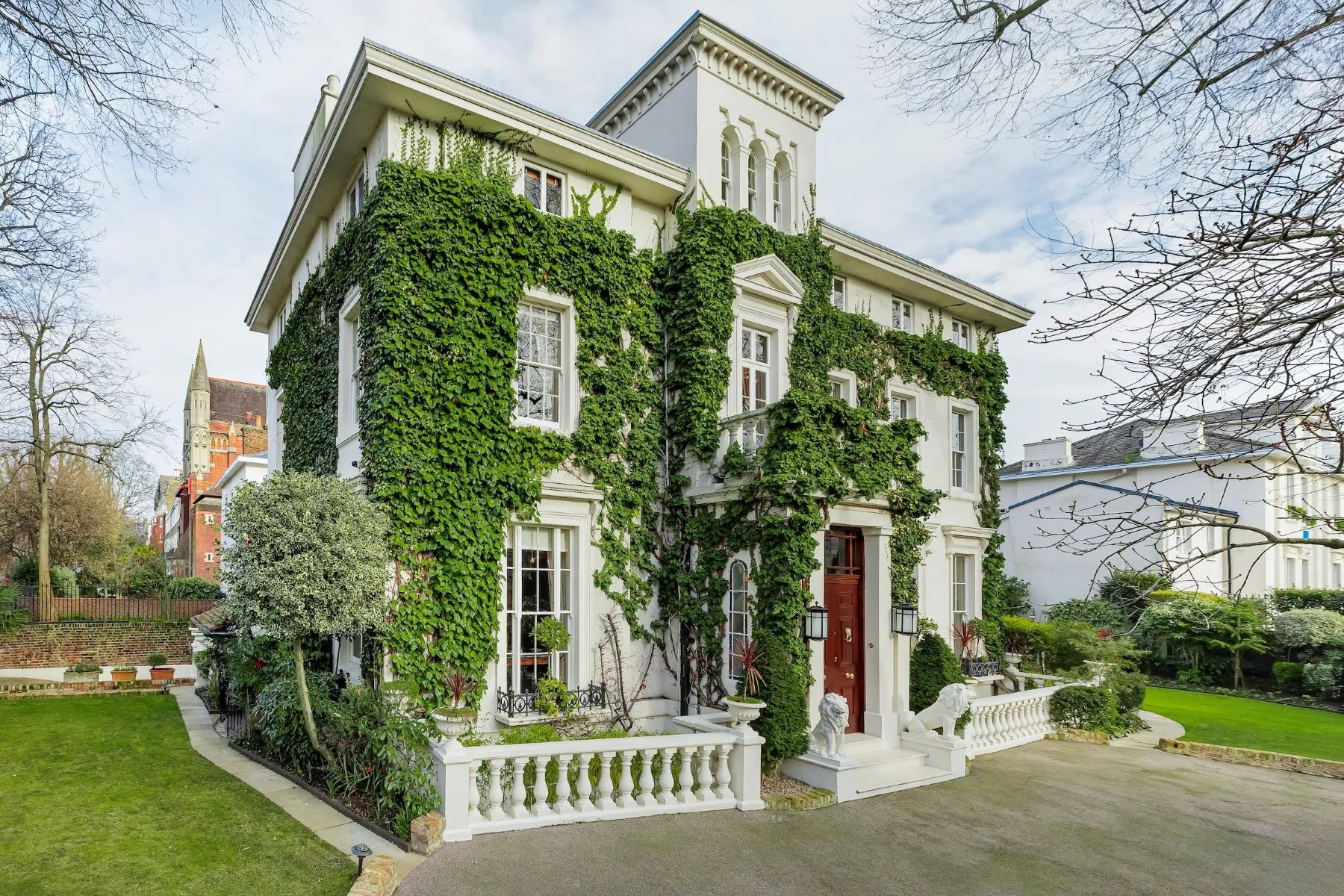
(London, England)
As 2026 unfolds, the outlook for luxury real estate remains optimistic.
Continued wealth creation, limited inventory, and evolving buyer priorities are expected to support demand across many of the world's premier markets. While broader economic conditions will continue to influence sentiment, the luxury sector has repeatedly demonstrated an ability to adapt, supported by buyers who take a long-term view of both investment and lifestyle.
Perhaps the defining characteristic of today's luxury market is not simply resilience, but confidence. Around the world, exceptional homes continue to command attention because they represent something enduring: quality, craftsmanship, and the opportunity to invest in a way of life as much as a piece of real estate.
In a constantly changing world, that combination remains one of luxury real estate's greatest strengths.