Aging Millionaire Boom: How Longevity and Wellness Are Reshaping Luxury Real Estate
The world's wealthiest homebuyers are getting older, and they are changing the way luxury homes are designed, purchased, and lived in.
As global populations continue to live longer, luxury real estate is undergoing a transformation. Increasing life expectancy, combined with a growing desire among affluent homeowners to age in place, is influencing everything from home design and community planning to buyer preferences and inventory trends.
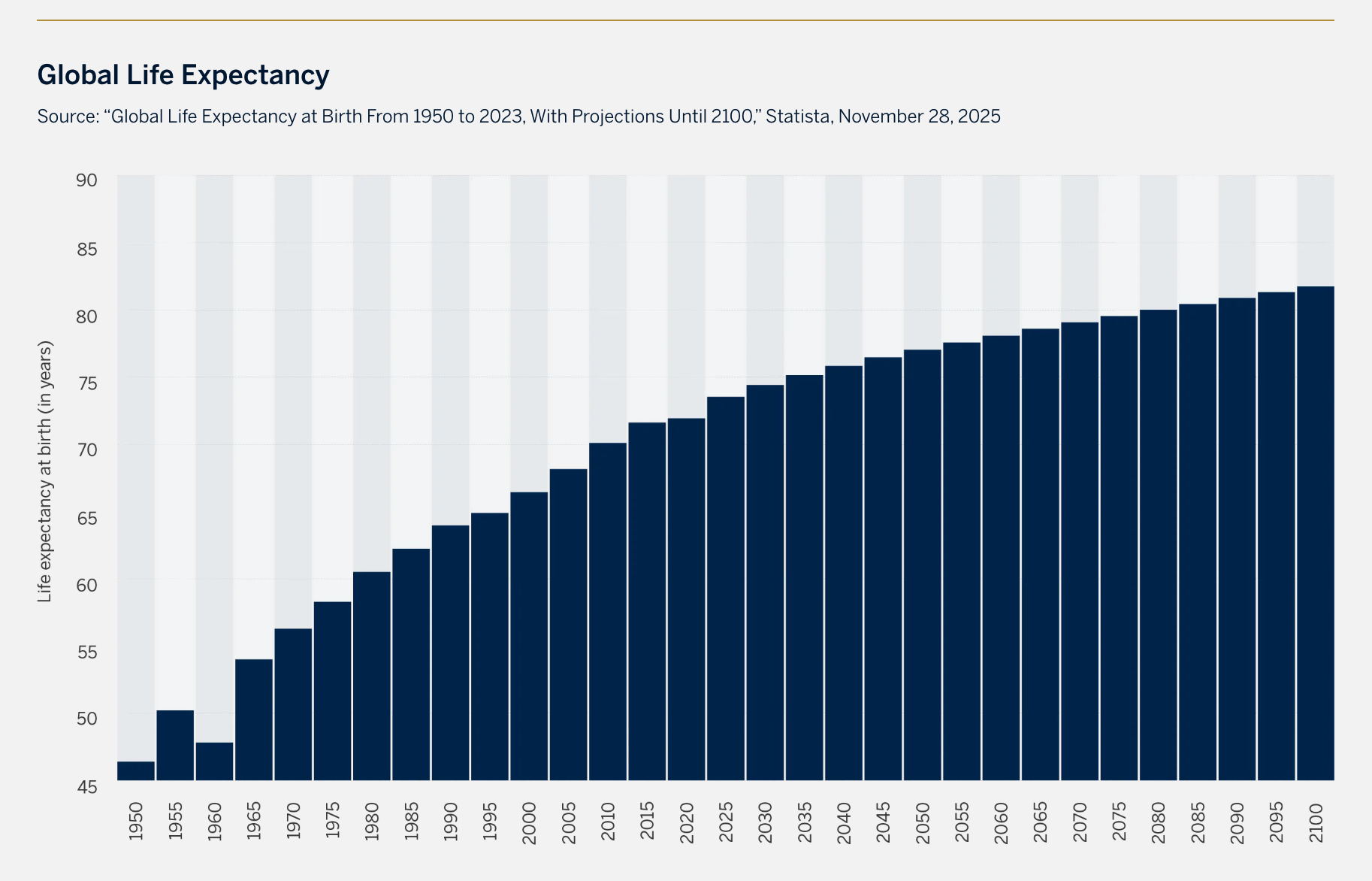
Global life expectancy has risen dramatically over the past century, increasing from approximately 46 years in 1950 to 73 years in 2023. Projections suggest that by 2100, average life expectancy could reach 82 years globally, with North America and Europe expected to exceed that figure.
For luxury homebuyers, longevity is no longer simply a demographic statistic. It is becoming a key consideration in how and where they choose to live.
Longevity as an Economic Force
The growing focus on longevity is more than a lifestyle trend. It is becoming one of the most significant economic forces shaping consumer behavior.
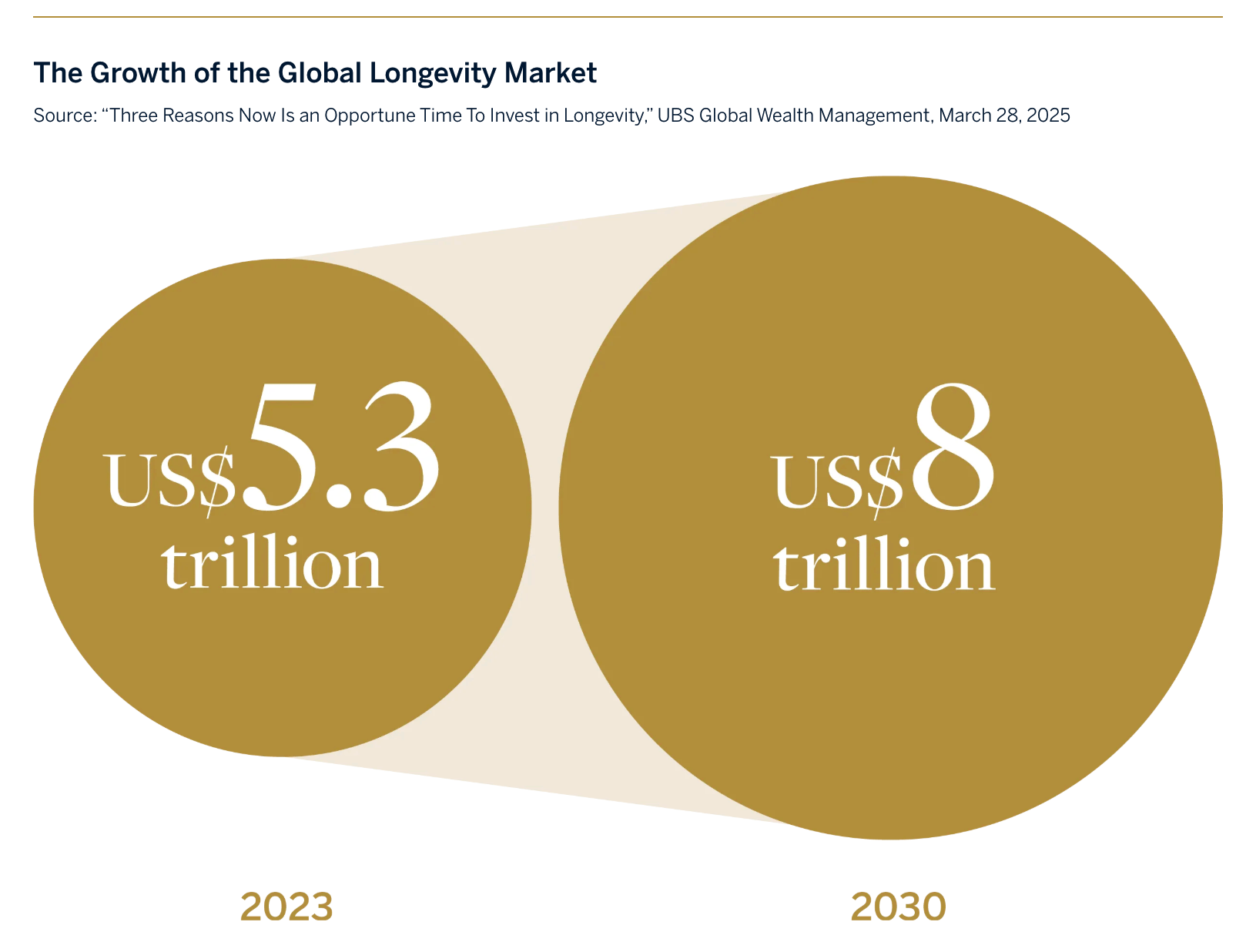
According to UBS Global Wealth Management, the global longevity market, which includes health, wellness, and aging-related spending, is projected to grow from $5.3 trillion in 2023 to $8 trillion by 2030. At the same time, the world's population over the age of 60 is expected to double by 2050, surpassing two billion people.
Real estate is increasingly positioned at the center of that growth.
Within the broader wellness economy, wellness real estate has emerged as one of the fastest-growing sectors. Homebuyers are no longer purchasing properties solely for investment potential or architectural significance. Increasingly, they are seeking residences that actively support their long-term health, well-being, and quality of life.
This shift is also influencing the luxury housing market in another important way: affluent homeowners are remaining in their properties longer. Rather than selling and transitioning into senior living communities, many are renovating existing homes or purchasing residences designed to support independent living for decades.
Designing for Longer Living
Today's luxury homebuyers are looking beyond traditional features such as grand entertaining spaces and impressive views. While those elements remain desirable, wellness-focused design has become a growing priority.
Many buyers are seeking homes that support both immediate comfort and future adaptability. Features gaining popularity include:
- Main-level primary suites
- Elevator-ready floor plans
- Universal design elements that accommodate changing mobility needs
- Slip-resistant surfaces and wider hallways
- Advanced air and water filtration systems
- Smart-home technology and health-monitoring capabilities
- Dedicated wellness spaces, including fitness studios, saunas, cold plunges, and massage rooms
Outdoor living has also become increasingly important. Properties that provide direct access to nature, walking trails, waterfront settings, and private outdoor spaces align with the growing emphasis on movement, relaxation, and overall well-being.
For many affluent buyers, luxury is no longer defined solely by what a home has. It is also defined by how a home supports everyday life.
The Rise of Wellness Communities
Beyond individual residences, entire communities are being designed around wellness and longevity.
Luxury developments across the globe are incorporating resort-style amenities, preventive healthcare services, fitness programming, and wellness-focused experiences into everyday living. These communities often combine luxury hospitality with residential living, offering residents access to amenities that support both physical and mental well-being.
Oceanfront developments, nature-focused enclaves, and branded residences are increasingly appealing to buyers seeking a lifestyle centered on health, privacy, and connection to their surroundings.
As demand grows, developers continue to expand wellness offerings, creating environments where luxury living and long-term well-being work hand in hand.
Lessons From the World's Blue Zones
Many of today's longevity-focused housing trends mirror the characteristics found in the world's Blue Zones, regions recognized for having unusually high concentrations of people living well into their 90s and beyond.
Places such as Ikaria, Greece; Okinawa, Japan; Sardinia, Italy; Loma Linda, California; and Costa Rica's Nicoya Peninsula share several common traits. Residents often benefit from strong social connections, regular physical activity, access to nature, walkable environments, and healthy food systems.
These same qualities are becoming increasingly important to luxury homebuyers.
Rather than prioritizing activity and entertainment alone, many buyers are seeking communities that encourage connection, wellness, and a slower pace of life. Privacy, security, natural beauty, and access to outdoor recreation are all becoming major considerations in purchasing decisions.
Younger Buyers Are Planning Ahead
Perhaps surprisingly, the longevity conversation is not limited to older generations.
According to Sotheby's International Realty's 2026 Mid-Year Agent Survey, millennials represent one of the fastest-growing segments of the luxury real estate market. Many younger affluent buyers are already prioritizing wellness, health optimization, and long-term lifestyle planning.
Unlike previous generations, these buyers often want homes that are future-proofed from the start. They seek flexible floor plans, wellness amenities, strong design, privacy, and turnkey living environments that will continue to meet their needs over time.
Whether purchasing a primary residence, vacation property, or legacy estate, younger buyers are increasingly making decisions through the lens of longevity.
The Future of Luxury Living
As life expectancy continues to rise and wellness becomes a defining priority for affluent consumers, luxury real estate is evolving alongside it.
The most desirable homes of the future will offer more than exceptional architecture and prestigious addresses. They will provide adaptability, comfort, connection, and opportunities to live well for years to come.
In this new era of luxury, a home is not simply a place to live. It is an investment in health, well-being, and quality of life across generations.